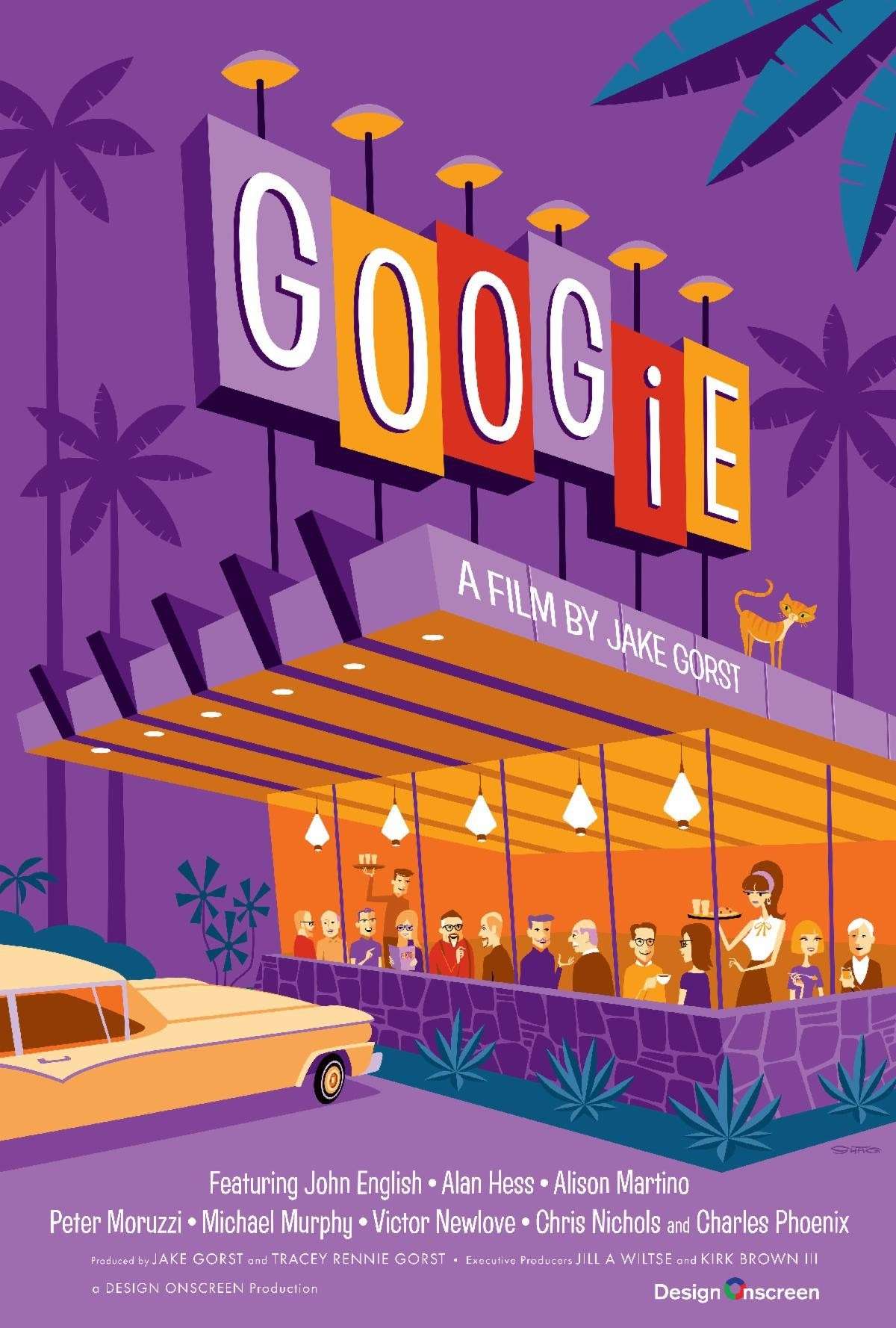
Norm’s, Shoney’s, Howard Johnson’s, Randy’s Donuts and more! Googie architecture was one of the most visually exciting and culturally formative design movements of the mid-20th century, yet it remains one of the least understood. Characterized by bold angles, sweeping rooflines, and a futuristic optimism, these structures drew on both Modern and organic materials to create a sense of spectacle. Coffee shops, bowling alleys, car washes, banks, and even churches became architectural icons designed not just for function, but to catch the eye of people cruising by in their cars. Rooted in Los Angeles, California, Googie design was deeply influenced by masters such as Frank Lloyd Wright and John Lautner, whose visionary ideas filtered into the commercial landscape. The architectural firm Armet & Davis became especially renowned for creating some of the most iconic Googie coffee shops, where vibrant design helped define the social fabric of midcentury communities. Soon, examples of Googie spread beyond Southern California, shaping skylines and streetscapes across the United States. Though many original structures have been demolished, a passionate movement has emerged to preserve what remains. A Q&A with the film’s Producer, Jake Gorst, will follow the film. You can
watch the Googie trailer here.